Celluma Red Light Therapy
Low-Level Light Therapy — a Different Wavelength, a Specific Purpose
Celluma is an FDA-cleared low-level light therapy (LLLT) device that delivers blue, red, and near-infrared wavelengths simultaneously — each targeting a distinct biological mechanism. Where our Class IV lasers deliver high-powered photobiomodulation for deep tissue repair and biologic integration, Celluma operates at a lower power density optimized for surface tissue healing, skin health, inflammation modulation, and cellular recovery at the dermal and subdermal level.
How does Celluma Therapy work?
The three wavelengths work in concert: blue light (465nm) targets bacterial activity and sebaceous function; red light (630nm) stimulates fibroblast activity, collagen synthesis, and anti-inflammatory signaling; near-infrared (880nm) penetrates deeper to support mitochondrial function and tissue healing. Together they create a broad-spectrum photobiomodulation environment suited to skin, wound healing, and localized tissue recovery.
Red and near-infrared light therapy has been shown to increase collagen type I and III synthesis in fibroblasts, accelerate wound closure, reduce pro-inflammatory cytokine expression, and improve microcirculation in treated tissue — effects directly relevant to post-procedure recovery, scar management, and skin quality optimization.
Contraindications include pregnancy, history of epilepsy or seizures, photosensitive medications, and active steroid injections. Our clinical team will review contraindications at intake.
The MASI Method
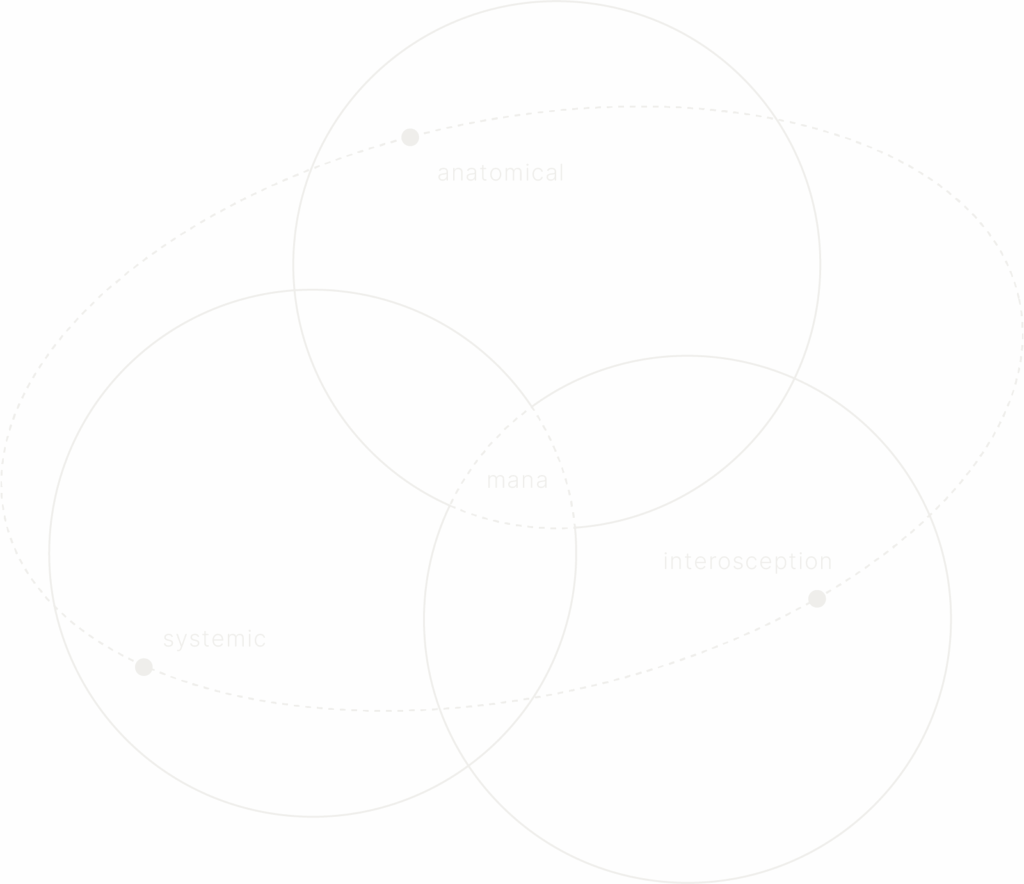
Dr. Masi’s four-pillar approach to healing and performance integrates soul, structure, biology, and mindset. Mana is the life force that encompasses and is at the root of all, inherent in each individual and honoring the deeper connection between spirit, purpose, and healing. The Anatomical pillar focuses on structural care through orthopedic expertise, surgery, and rehabilitation. The Systemic pillar addresses cellular and physiological healing with regenerative therapies such as stem cells, PRP, peptides, and anti-inflammatory protocols. Finally, the Interoception pillar centers on mindset and self-awareness—cultivating belief, agency, and resilience as essential drivers of recovery and long-term performance.